
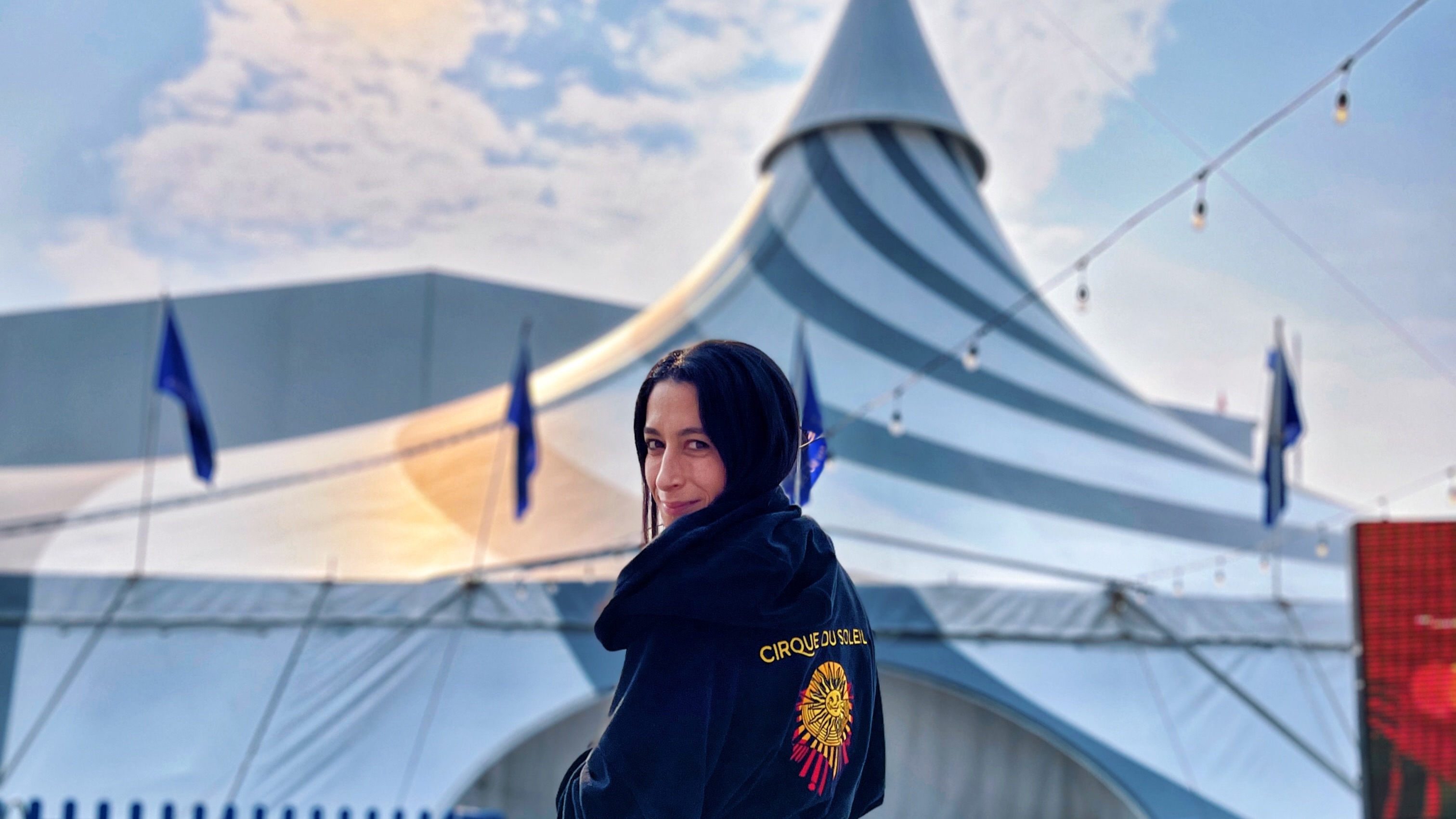
Who Are You Without Performance?
May 14, 2026By Joseane Martins
Cirque du Soleil performer | Founder of Cirquenastics
When you are an elite athlete or performer, your identity can slowly become one thing:
your sport, your art, your body, your ability.
Not overnight.
Slowly.
Training becomes your routine.
Performance becomes your purpose.
Your schedule revolves around it.
Your friendships revolve around it.
Your confidence starts depending on it.
People admire you for what your body can do.
For your discipline.
Your strength.
Your flexibility.
Your resilience.
Your talent.
And after years inside that environment, you can stop asking yourself:
“Who am I?”
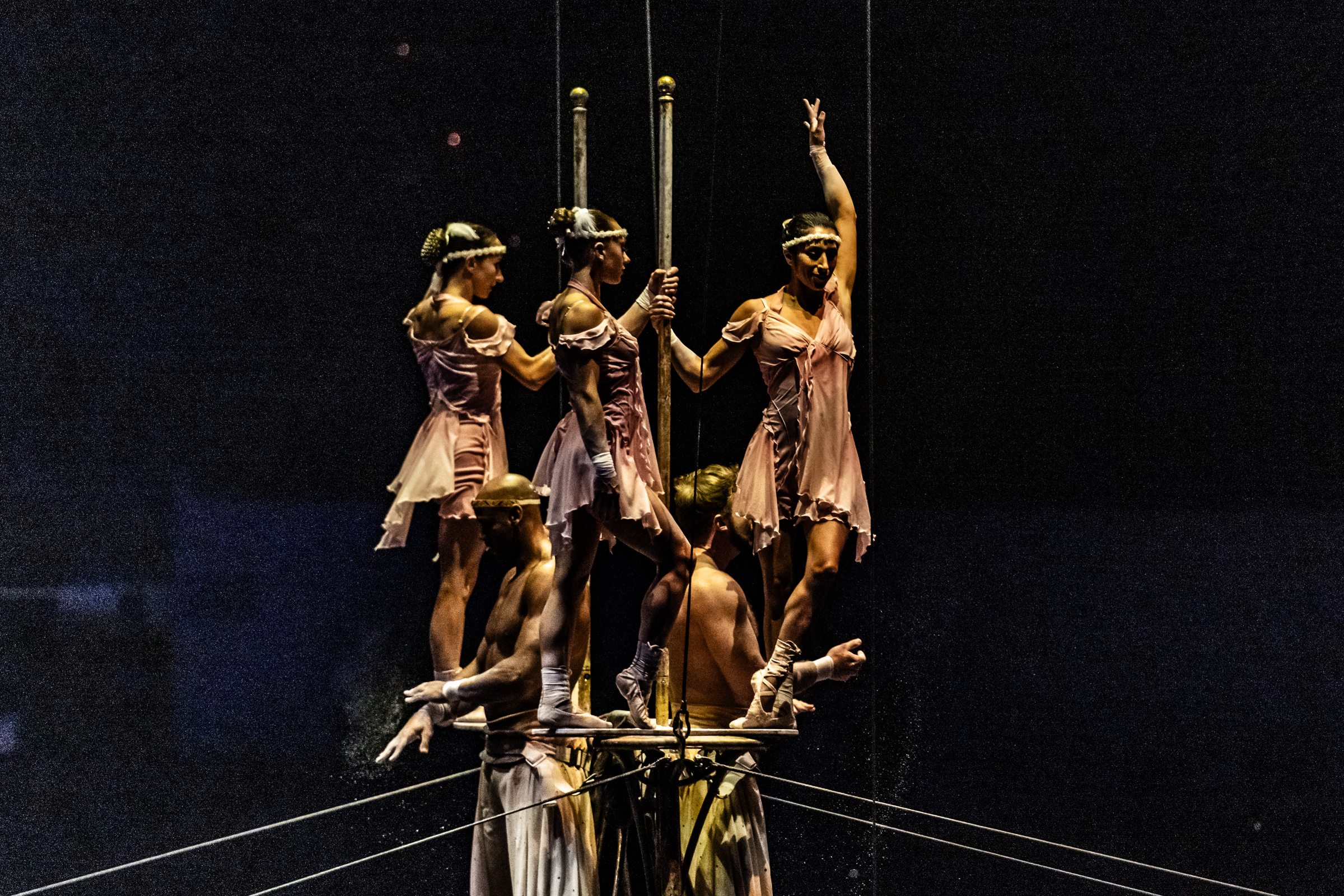
Instead, you start asking:
“How am I performing”
This reflection was inspired by a reel shared by fellow performer @charlie_circus, whose words deeply resonated with performers and athletes around the world. The conversation that followed, including thoughts shared by artists like @shelliepstein highlighted how universal these feelings truly are.
As performers, dancers, circus artists, gymnasts, swimmers, athletes, many of us spend years building ourselves around excellence. Around pushing limits. Around becoming stronger, better, more capable versions of ourselves.
And there is something beautiful about that.
Elite performance teaches discipline.
Commitment.
Passion.
Resilience.
Connection.
Artistry.
But there is also a side of elite performance that people rarely talk about openly:
what happens when your identity becomes completely attached to your ability to perform?
Because eventually, something changes.
Injury happens.
Burnout happens.
Contracts end.
Bodies evolve.
Motivation shifts.
Life changes.
And when that happens, many performers are left facing a terrifying question:
Who am I without this?
Injury Can Feel Like Grief
One comment from fellow performer Shelli said:
> “Injury can feel like grief at times.”
And honestly, that is exactly what it can feel like.
Because injury does not only affect the body.
Sometimes it removes:
- your routine,
- your community,
- your confidence,
- your emotional outlet,
- your future plans,
- your sense of identity.
 For many performers, movement is not just movement.
It is expression.
It is purpose.
It is structure.
It is home.
So when the body suddenly cannot do what it used to do, it can feel deeply destabilizing.
Not because performers are weak.
But because many of us have unknowingly built our entire identity around being capable.
And when that capability changes, it can feel like losing a part of yourself.
That grief is real.
And many artists experience it silently.
Burnout Is Not Weakness
Another comment spoke about trying to reconnect with themselves outside of performance after constant burnout.
This is something so many performers understand.
In elite environments, exhaustion often becomes normalized.
You push through pain.
You push through fatigue.
You push through emotional overwhelm because everyone around you is doing the same.
There is often pressure to:
- stay employable,
- stay relevant,
- stay in shape,
- stay exceptional,
- stay grateful,
- stay mentally strong.
And over time, many performers begin attaching their worth to their productivity.
If they are training, performing, improving, booking contracts, progressing — they feel valuable.
If they slow down, struggle, rest, or question things, guilt starts appearing.
But burnout is not laziness.
It is not weakness.
It is often the result of constantly operating in survival mode while trying to maintain excellence.
The Dangerous Belief: “I Am Only Valuable When I Perform”
This may be one of the most dangerous beliefs performers quietly carry.
The idea that:
- your value lives in your body,
- your worth lives in your performance,
- your importance depends on your ability to achieve.
The problem begins when performance stops being something you do…
and becomes the only thing you believe you are.
Because bodies change.
Even the strongest bodies.
Even the most disciplined ones.
Even the most talented artists.
Careers evolve.
Dreams evolve.
People evolve.
 (Before circus, there was synchronized swimming. Different chapters, different versions of me: all still me.)
And if your entire identity only exists inside performance, every injury, rejection, or transition can start feeling like a personal collapse.
That is a heavy burden for any human being to carry.
Building an Identity Outside Performance
I am a circus artist, and I deeply love what I do.
Performance has given me extraordinary experiences, friendships, opportunities, and memories I will carry forever.
But I am also learning that I need an identity that survives beyond performance too.
Not because I am giving up on performing.
Not because I love it less.
But because I am a whole person outside of it.
And I think every performer deserves that.
We deserve lives that are not entirely dependent on:
- applause,
- contracts,
- aesthetics,
- casting decisions,
- flexibility,
- strength,
- or external validation.
That does not mean losing ambition.
It simply means building a healthier relationship with ourselves.
That can look like:
- developing interests outside performance,
- studying,
- mentoring,
- creating businesses,
- nurturing relationships,
- traveling,
- exploring creativity in different forms,
- going to therapy,
- reconnecting with family,
- building emotional stability outside the stage.
Not as a “backup plan.”
But as emotional protection.
Because one day, whether we want it or not, our relationship with performance will change.
And when it does, we deserve to still recognize ourselves.
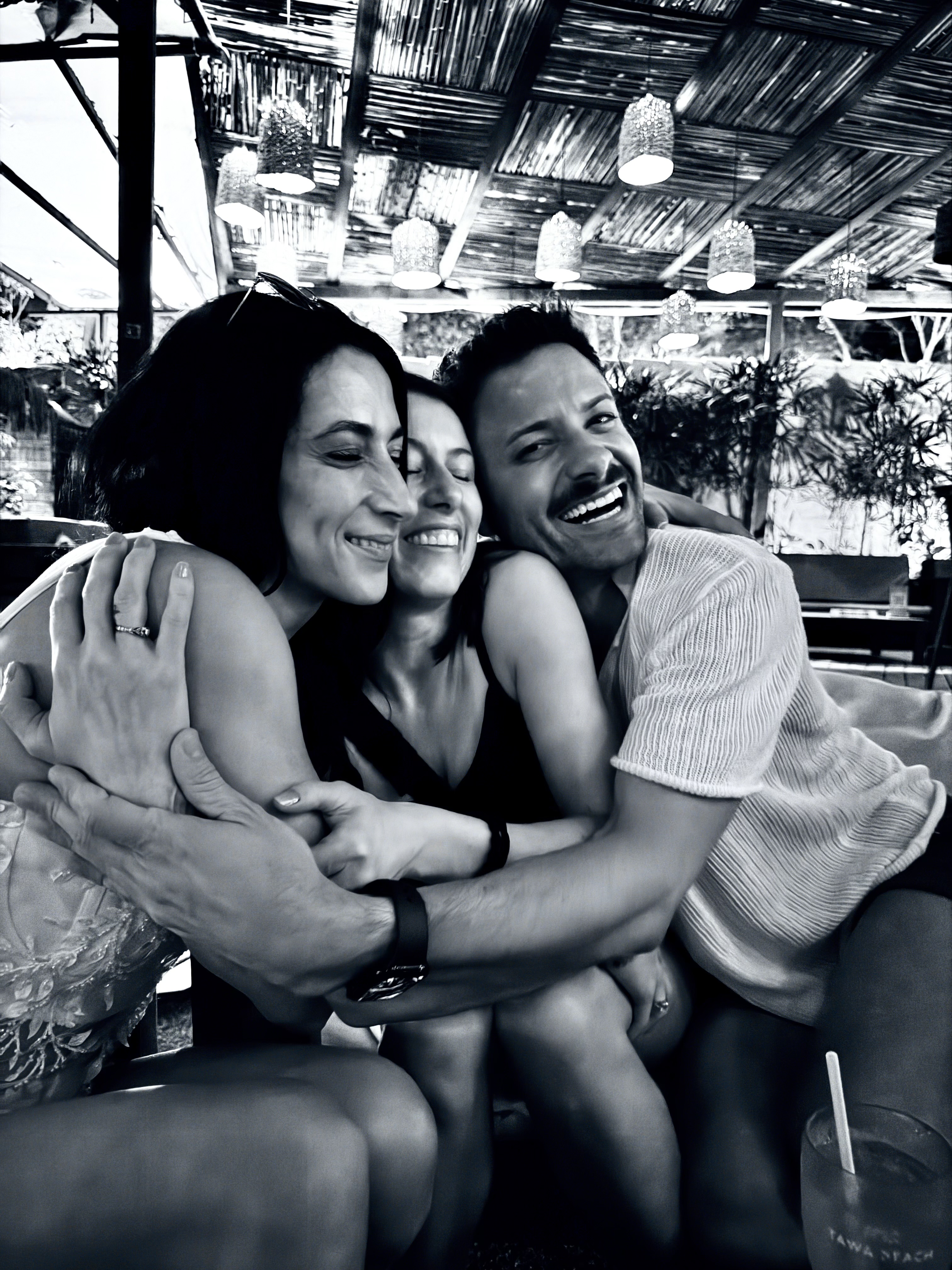 A reminder that performers are allowed to evolve, reinvent themselves, and build lives beyond performance too.
Training for Longevity, Not Just Performance
This is also one of the reasons I care deeply about sustainable training.
In the performance world, we often celebrate extremes:
more flexibility,
more intensity,
more pain tolerance,
more hours,
more output.
But longevity matters too.
Recovery matters.
Mobility matters.
Mental health matters.
Rest matters.
Emotional balance matters.
A career should not destroy the person living inside it.
We should be training not only for performance…
but for life.
You Are Still Valuable on the Days You Cannot Perform
I think this is the reminder many performers quietly need.
You are still valuable on the days your body feels tired.
On the days you are injured.
On the days you feel uncertain.
On the days you are not performing at your highest level.
Your worth cannot only exist in what your body can achieve.
Performance can absolutely be part of who you are.
It can be one of the most beautiful parts of your life.
But it should never be the only thing that makes you worthy of love, identity, or purpose.
Because beneath the performer, the athlete, the artist
there is still a human being.
And that person deserves care too.
🤍 This conversation clearly resonates with many performers around the world. If this article spoke to you, feel free to share it with another artist, or send me a message on Instagram. I’d genuinely love to hear your experience too.
Ready to take the next step?
Download the free Cirquenastics Audition Prep Guide and start training with more clarity, structure, and purpose.
Stay connected with news and updates!
Join our mailing list to receive the latest news and updates from Cirquenastics.
Don't worry, your information will not be shared.
We hate SPAM. We will never sell your information, for any reason.
